Even before 1984, tropical forests were providing ever-growing numbers of plants of great economic value to forestry, agriculture, industry and medicine (Myers 1984; Caufield 1982; Synge 1984). In spite of this, tropical forests continued to be burned and felled at an alarming rate, often with little regard to the environmental consequences and mostly with no conception of the genetic loss to mankind.
The financial gains from deforestation can be one-sided as the cost of repairing the environmental destruction can be great (e.g. Sahabat Alam Malaysia 1983) and is often borne by the state.
Even in 1982, this was written: 'There is every indication that with the growing rarity of intact vegetation and forests, there will be a dramatic increase in the commercial value of wild genomes. Twenty years hence they will constitute a considerable source of revenue for those in control of the areas in which they are found. Nor will this be a temporary source of revenue, since the purchased genomes will become integrated by means of sexual reproduction with the genomes already present in cultivated plants. Thus for every improvement it will again be necessary to resort to the virgin forest' (Oldeman & Boerboom, 1982).
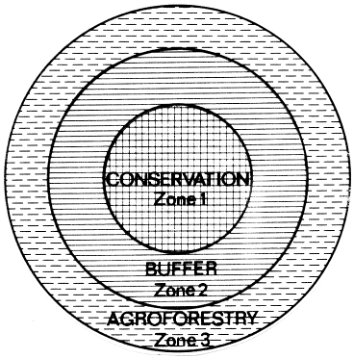
Considerable potential thus existed in any system which would combine conservation and commercial interests without compromising the goals of either. A project (Podzorski & Pettersson 1982) attempting to integrate these ideals was developed at Hilleshög Forestry AB. It is based on the Man and the Biosphere Programme of UNESCO, but incorporated an agroforestry zone, thus giving a total of three zones of operation:
Zone 1. Conservation: virgin forest to be strictly conserved, but used for ecological studies.
Zone 2. Buffer; forest to be managed for increased seed production.
Zone 3. Agroforestry: degraded land in need of restoration. Native species would ultimately be used, based on the research conducted in zone 1 and the utilizing the seed from zone 2.
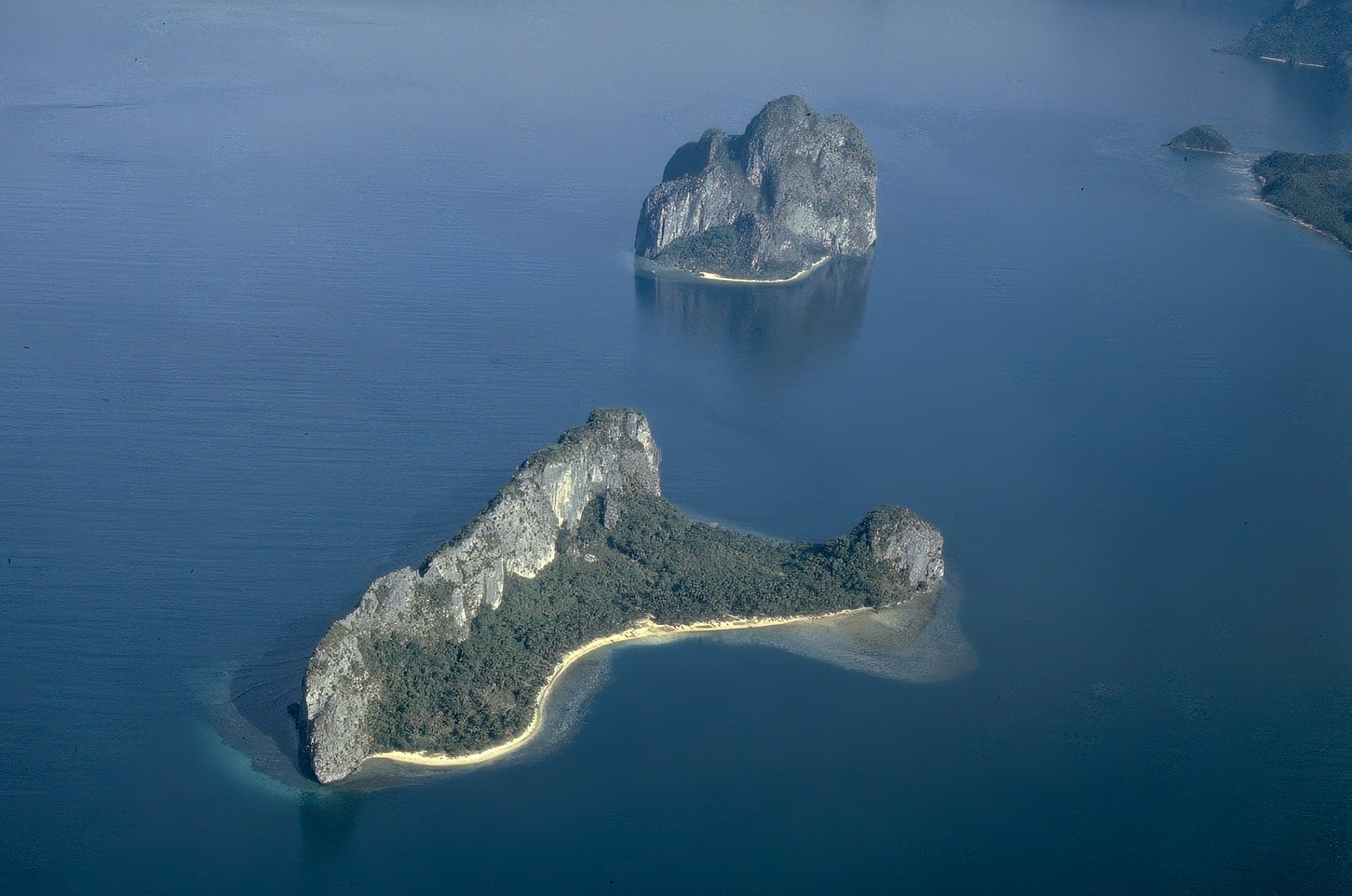
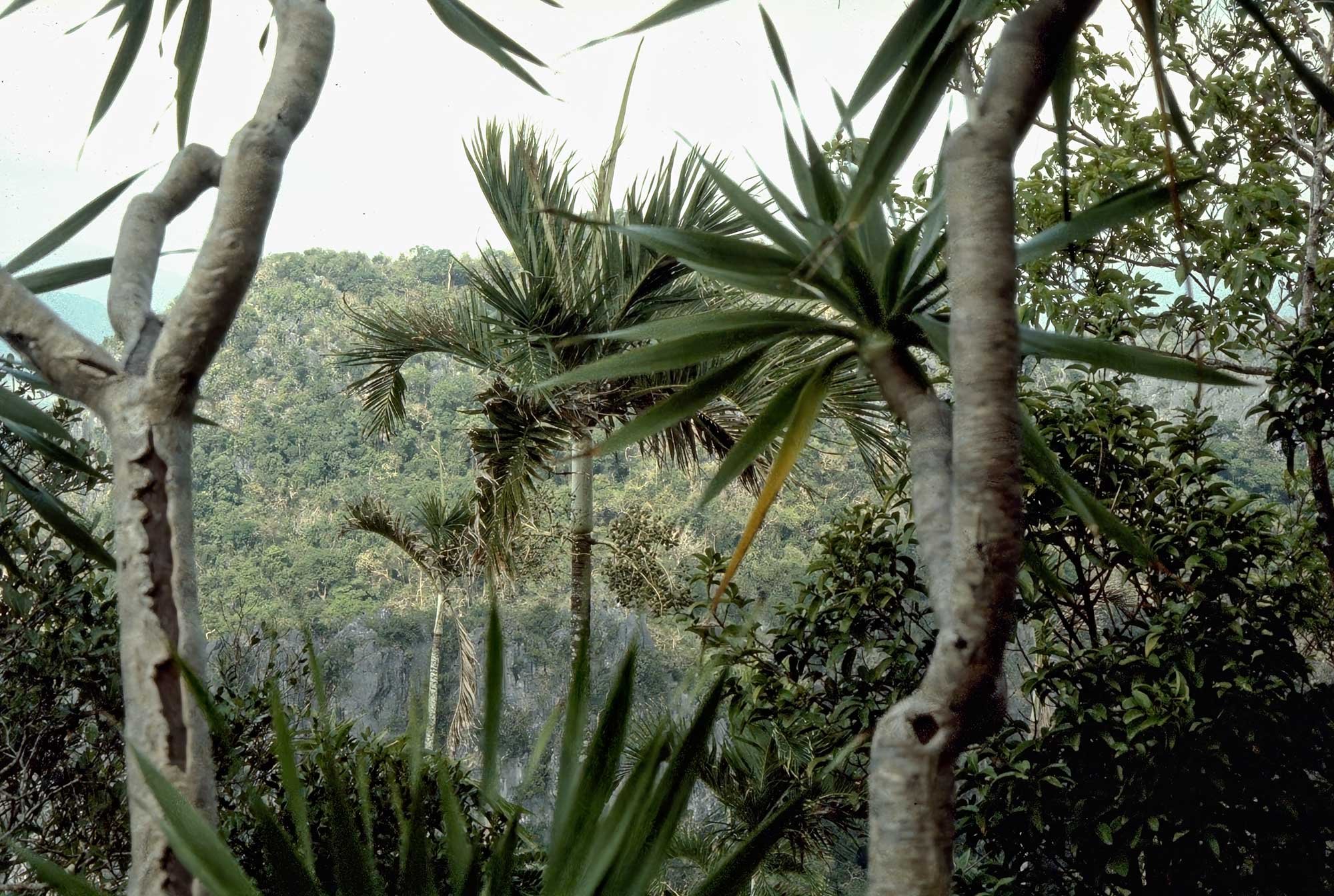
Palawan was chosen as a suitable island for our preliminary investigations based on its high percentage of forest cover, interesting flora and geographical position. The Philippine Ministry of Natural Resources also considered the choice appropriate.
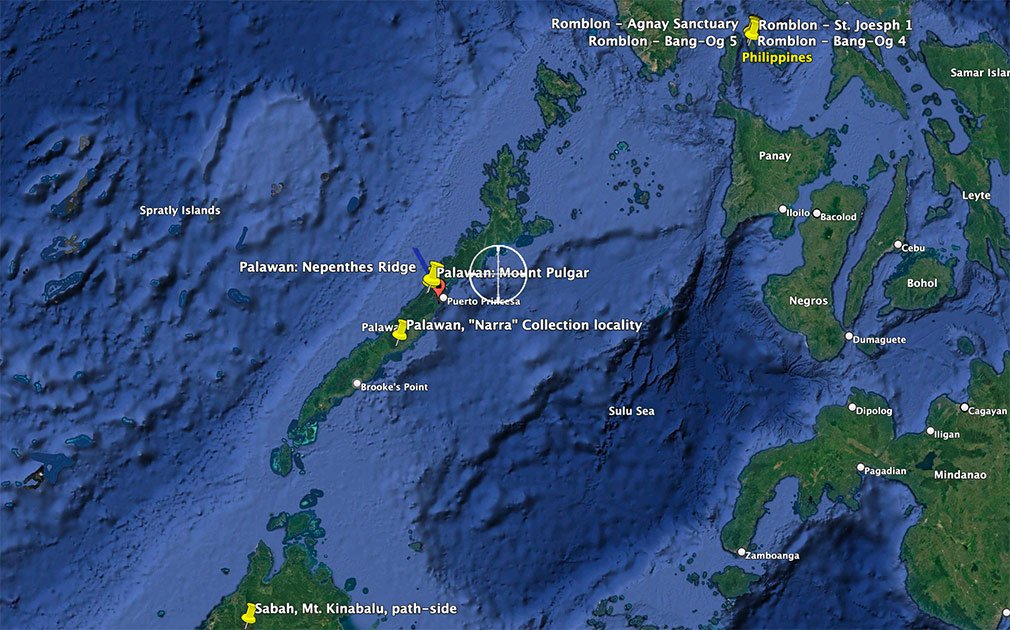
Detailed information on the island's vegetation was so insufficient however, that an on-island investigation was needed. Consultation with the directors and staff of the Rijksherbarium (Holland), the Royal Botanic Gardens at Kew (England), the Philippine National Herbarium, UNESCO, WWF and IUCN led to the formation of the Palawan Botanical Expedition. Organized by Hilleshög Forestry AB, it was financed by Swedish Match-Hilleshög Philippines Inc. and composed of an international team of tropical forest specialists. It was directed to find the answers to many fundamental questions about the vegetation of the unique island of Palawan and to suggest a suitable area to be set aside for the gene conservation area project.