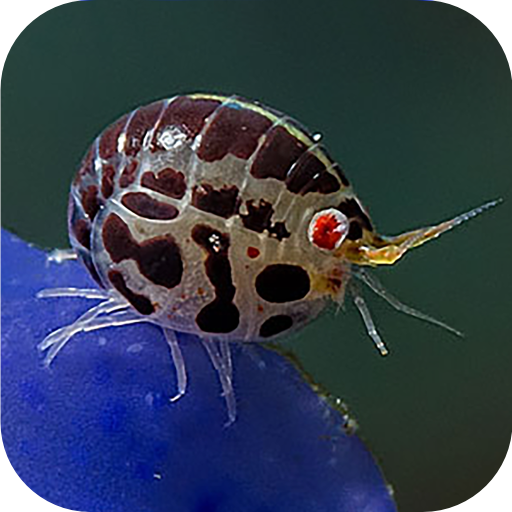
Ants benefit plants by providing protection and nutrients and gain protection from the plants themselves
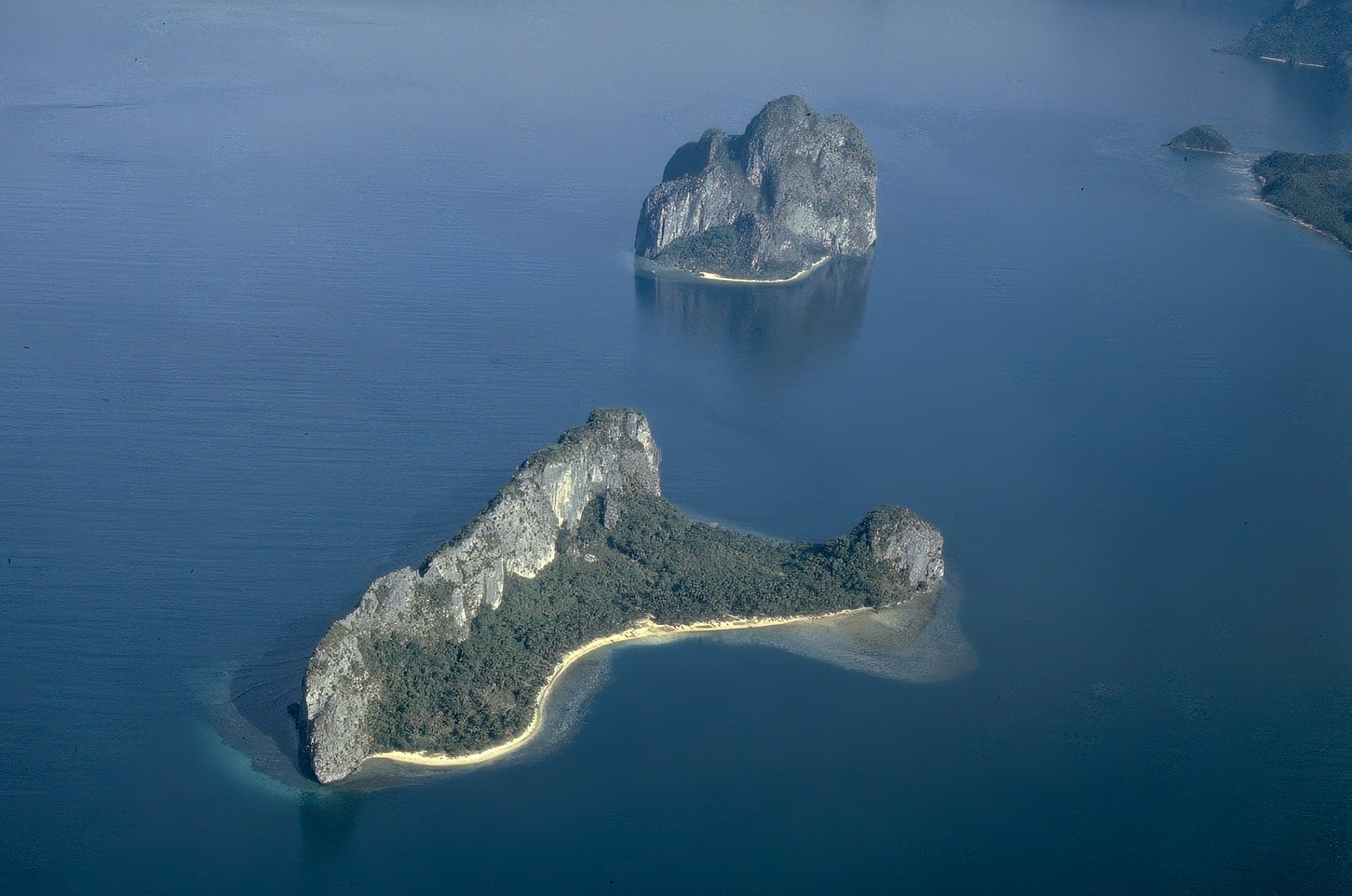
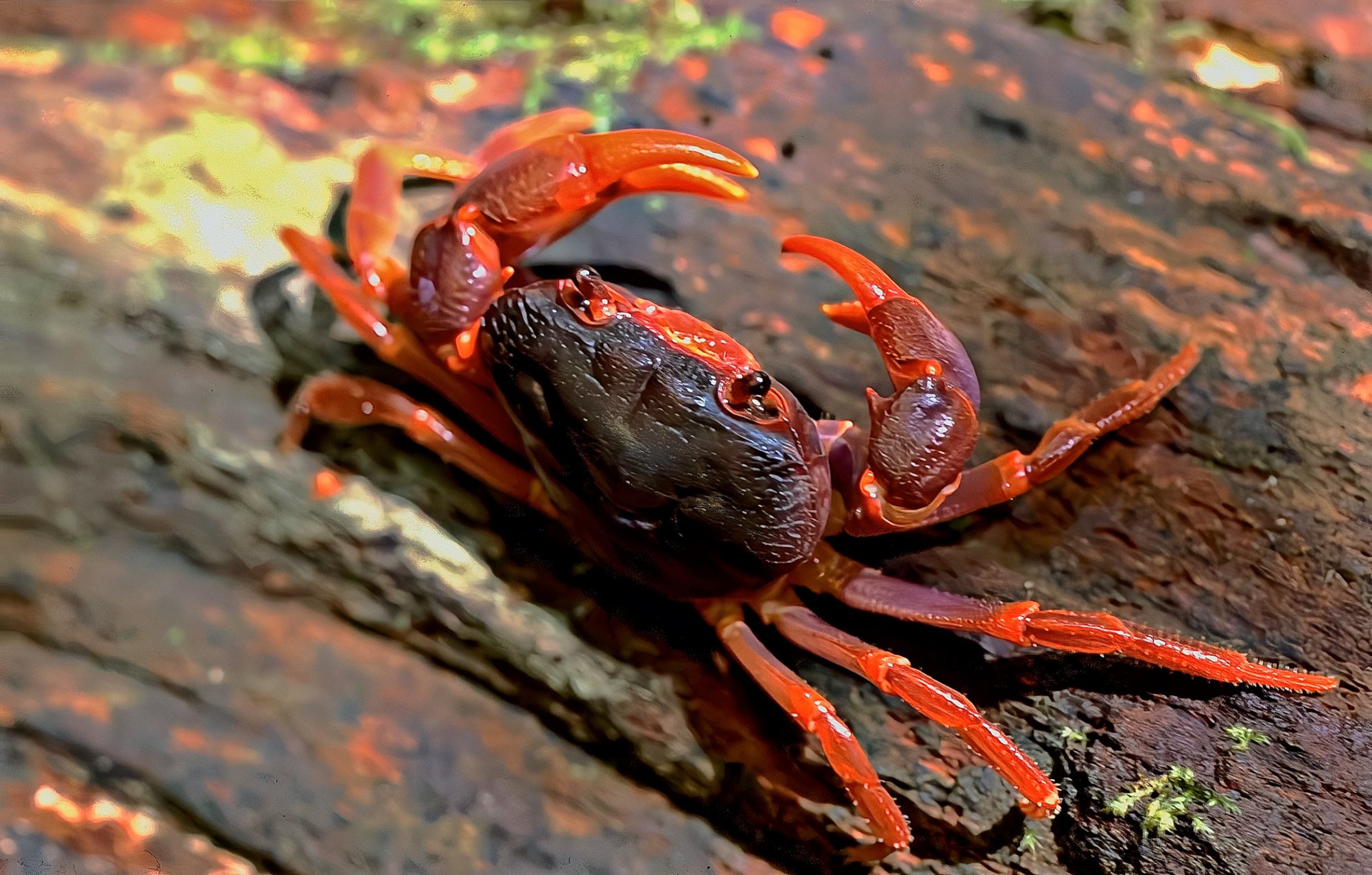
All the stories here tell different aspects of the vegetation and the island as discovered by the expedition. These stories appear on the relevant pages as well
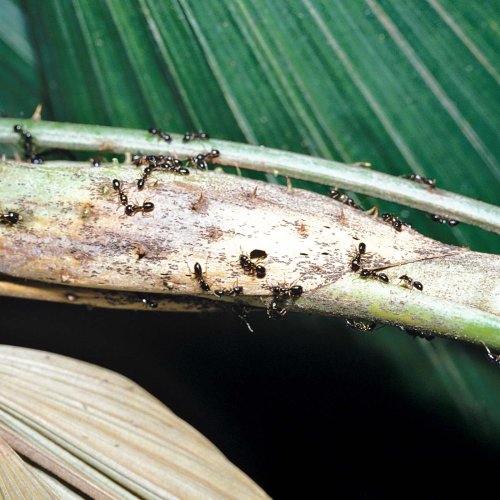
Ants benefit plants by providing protection and nutrients and gain protection from the plants themselves
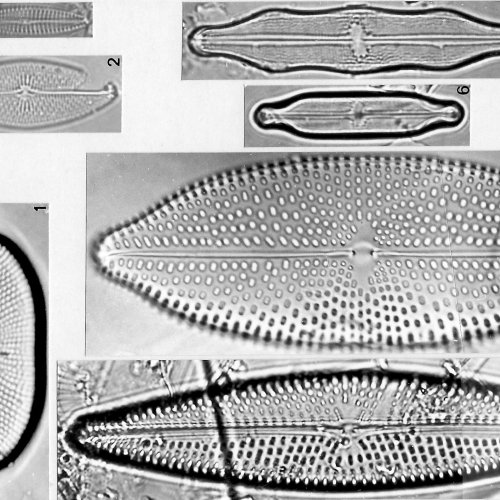
Three new freshwater species were described directly after the expedition, Amphora subhyalina, Amphora staurohyalina and Anomoeoneis irawanae. In 2008, a further marine species was described, Colliculoamphora palawanensis.
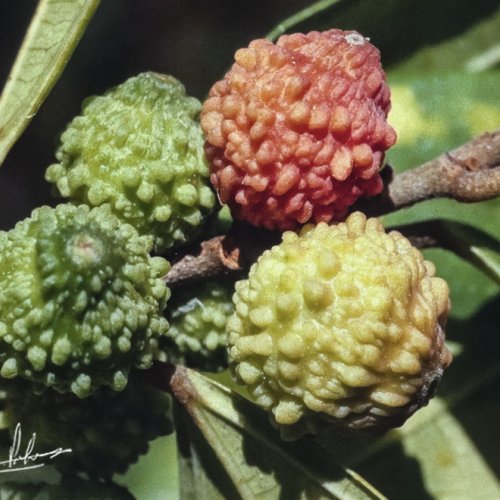
32 species of figs were collected. 12 were new to Palawan, increasing the total number to 53 species (a 29% increase). Figs growing on stolons running over the ground. Figs on small shrubs looking like raspberries. Figs growing like a football on the side of a small tree. Figs hanging in festoons from a large trunk.
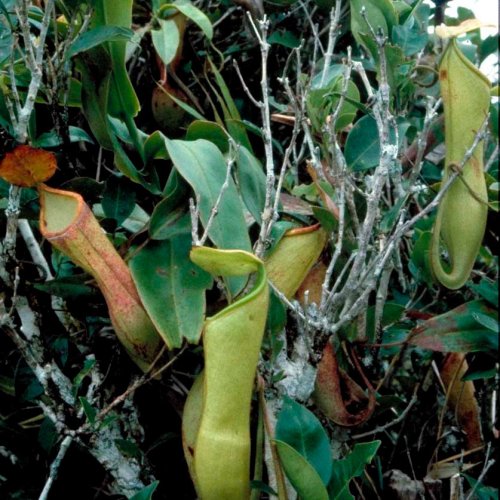
At the time of the expedition, only Nepenthes philippinensis was known, but many years after, spectacular discoveries were made!
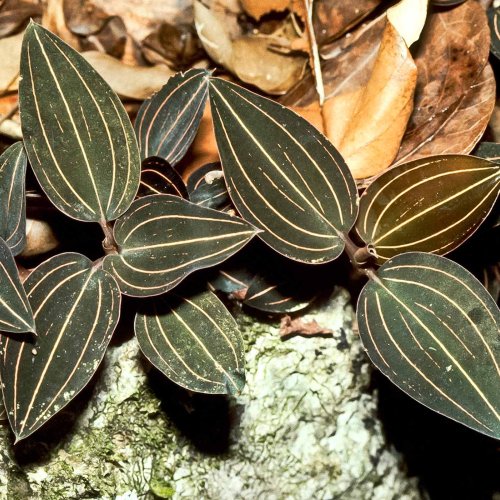
The expedition resulted in: 1 new genus to the Philippines; 13 additional new genera new to Palawan; 27 additional new species new to Palawan – so 40 species new to the island; Bulbophyllum had 12 new species records added, raising the total to 15 species on Palawan
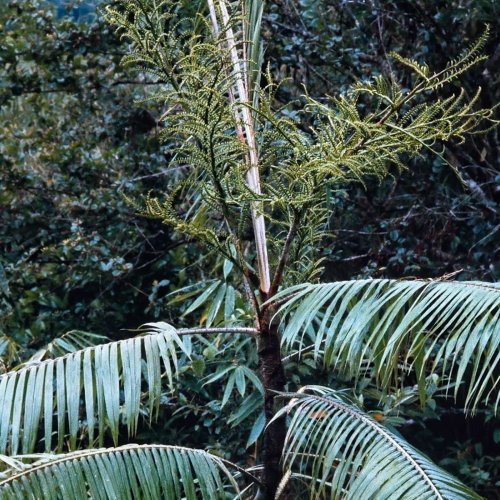
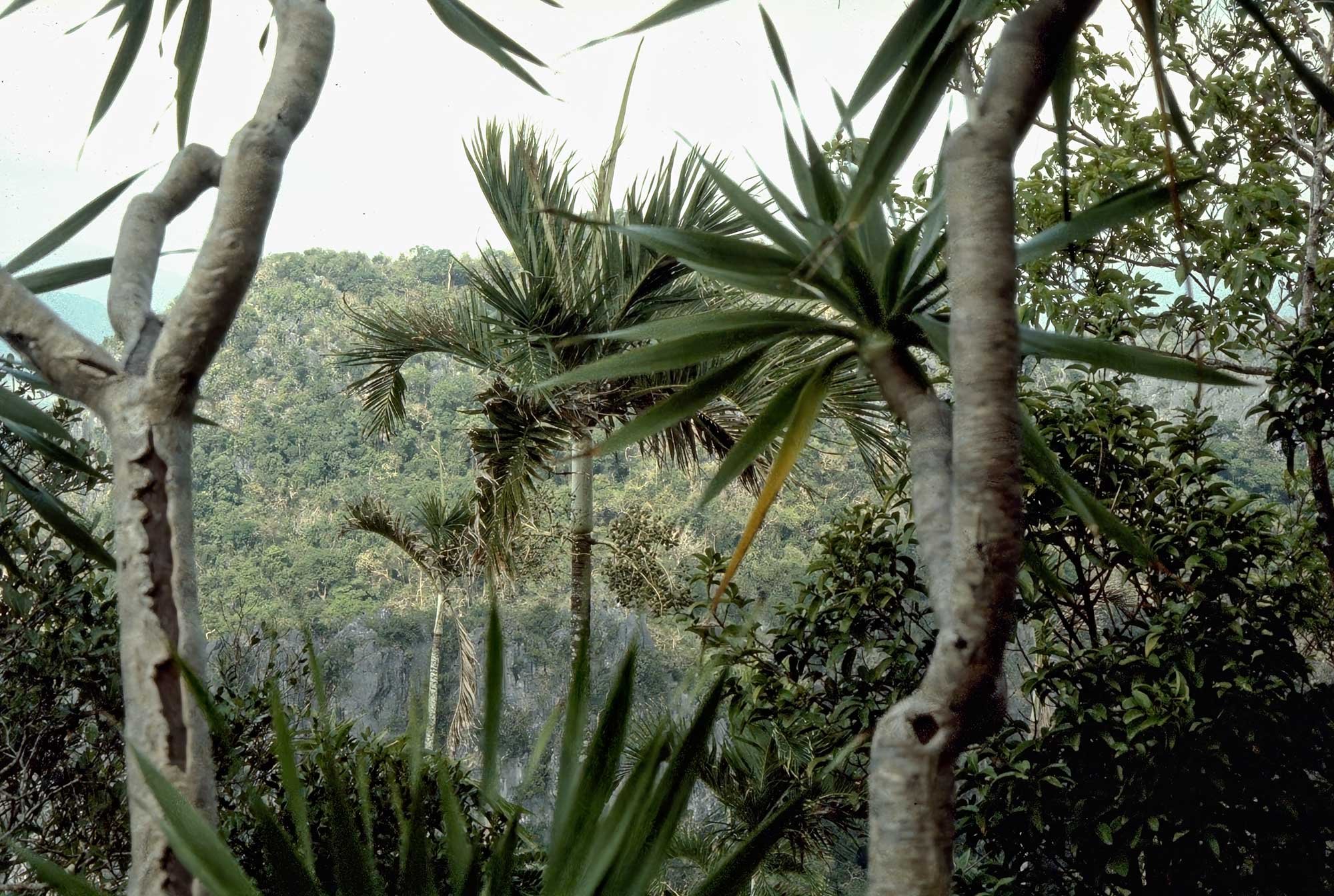
Palawan rich and unique palm flora was increased by 42% through the expedition. Heterspathe dransfeldii was a new species described from a high ridge forest that has now been destroyed, while Calamus erinaceus var. declivium was a new endemic rattan subspecies from St. Pauls Bay.
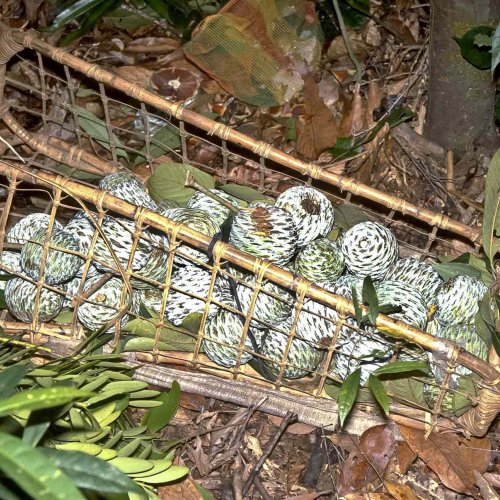
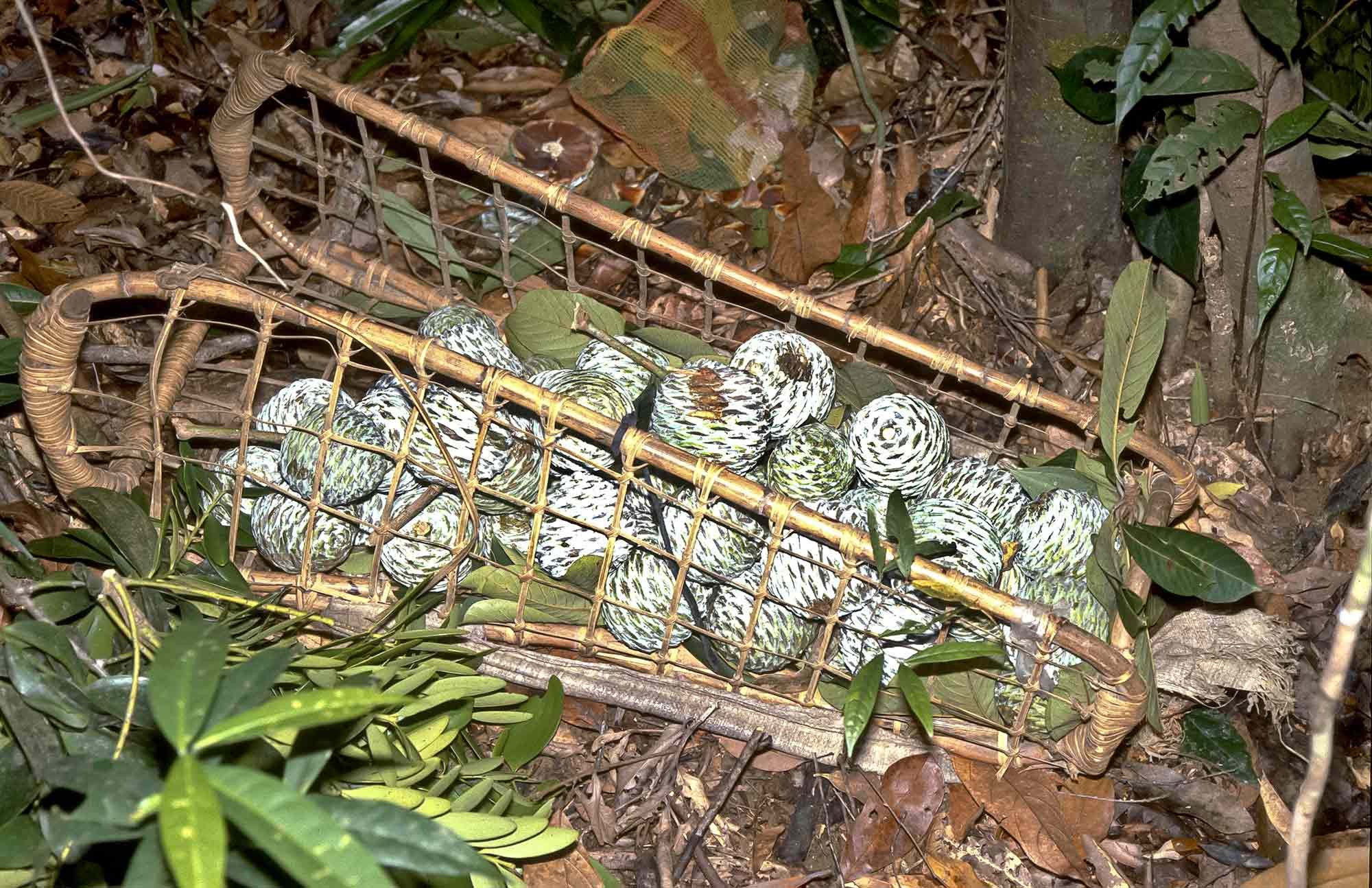
Almaciga may soon disappear from Palawan due to logging and incorrect resin tapping.
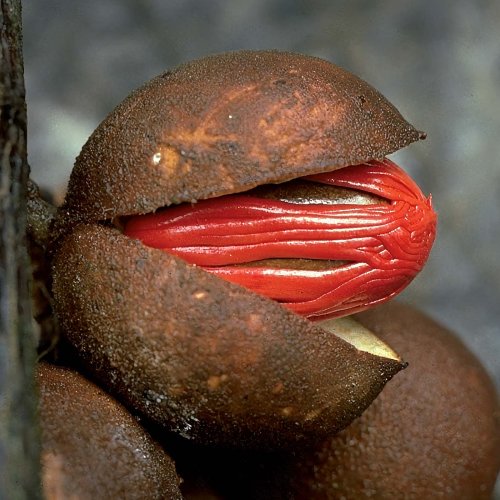
The minimum estimate for those plants with known uses plus those closely related to plants with known uses is forty-three percent of the collected species. This very high figure clearly demonstrate the great genetic resource represented by the flora of Palawan.