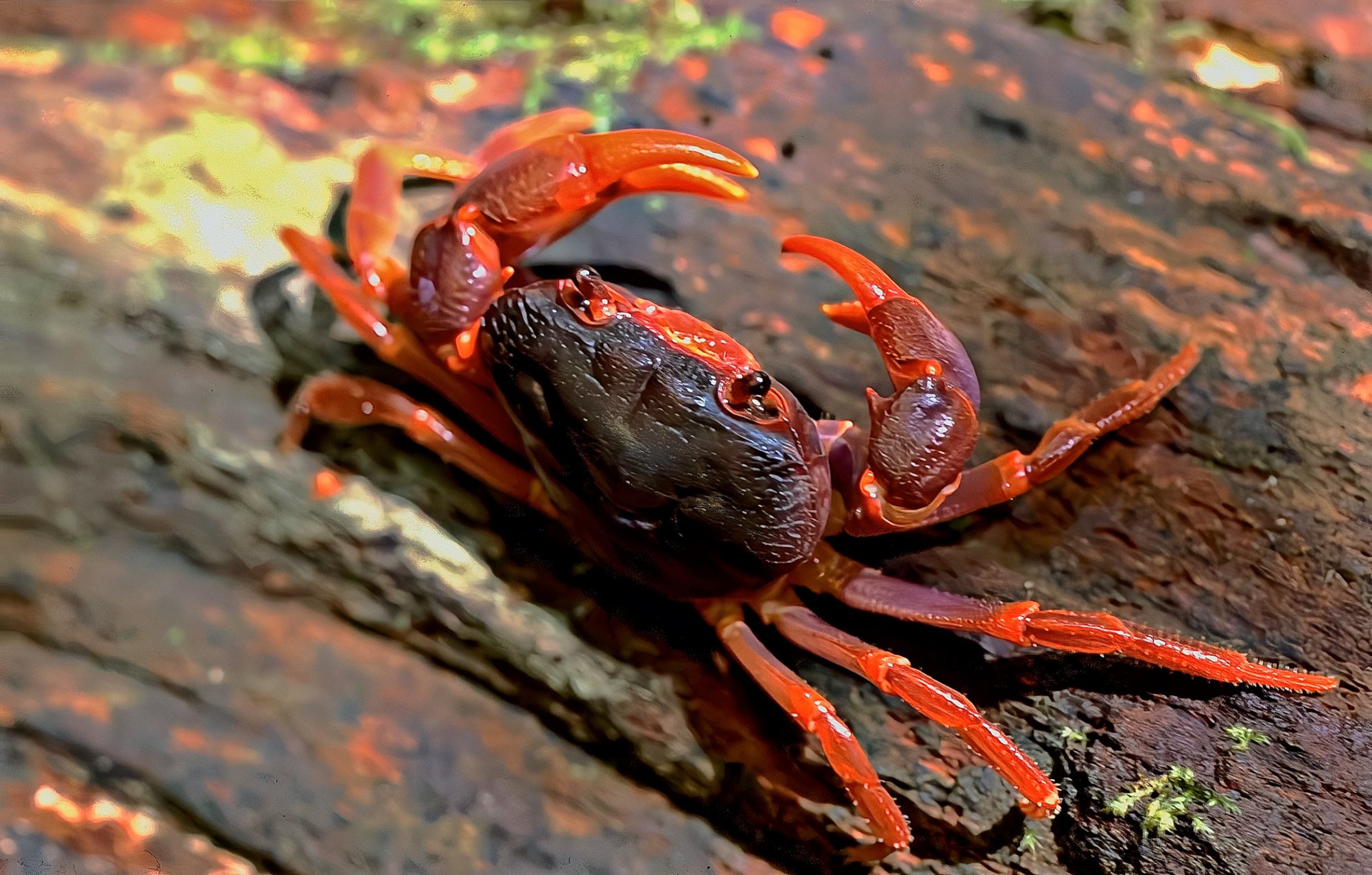
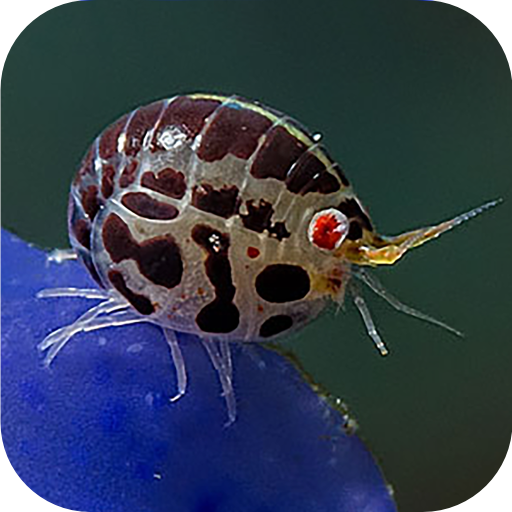
The extremely rare Palawan Peacock Pheasant, Red-Vented Cockatoo, other parrots, Palawan Hornbill, butterflies, other insects, snakes, pangolin and Mouse Deer all make Palawan a very special island.
All the stories here tell different aspects of the vegetation and the island as discovered by the expedition. These stories appear on the relevant pages as well
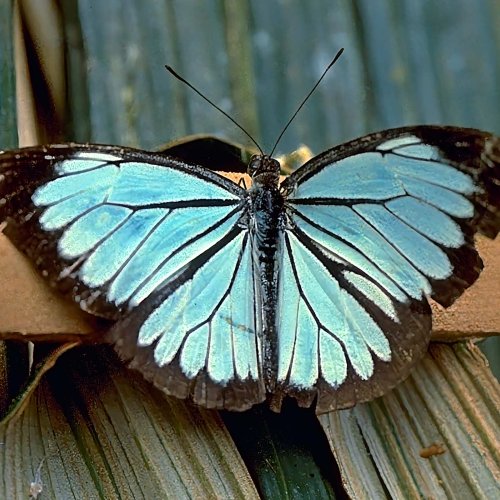
The extremely rare Palawan Peacock Pheasant, Red-Vented Cockatoo, other parrots, Palawan Hornbill, butterflies, other insects, snakes, pangolin and Mouse Deer all make Palawan a very special island.
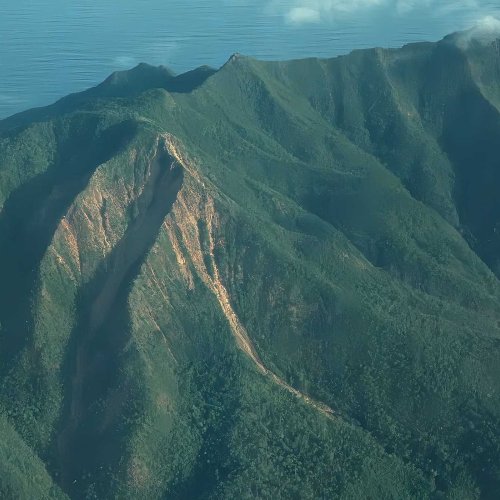
This vegetation-type is an extreme form of the ultrabasic forests of Palawan with many heavy-metal indicator species.
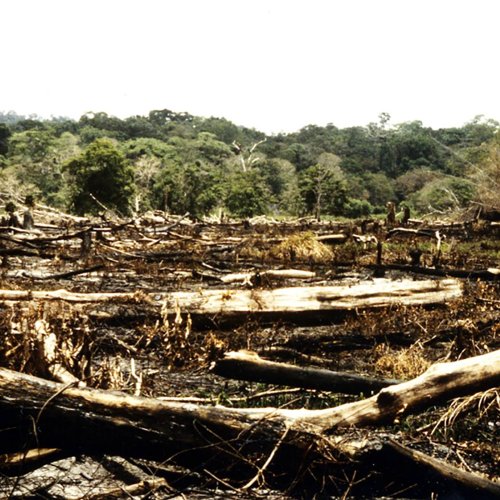
Even in 1893, the lower slopes of Mt. Mantalingahan were deforested. In 1984, profitable round-log export was wiping out dipterocarp forest in north central Palawan, while mining removed mid-altitude and ridge forests. Kaingin plots encroached on forest in many other areas.
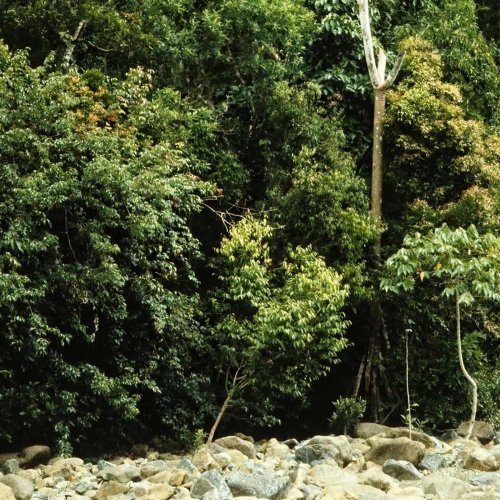
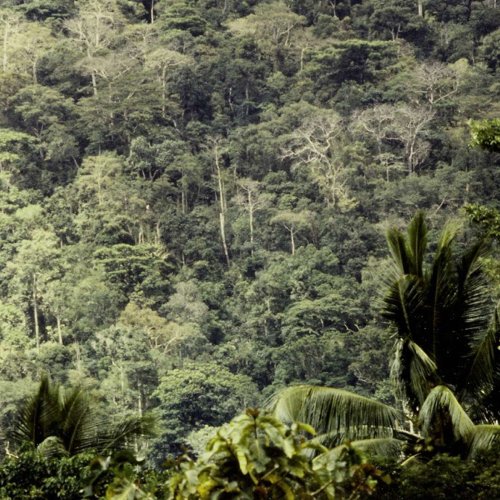
The Irawan River Valley at low altitudes had several forest types: semi-deciduous forest, riverine forests, and valley floor forest. An extremely diverse tree flora was found in these forests.
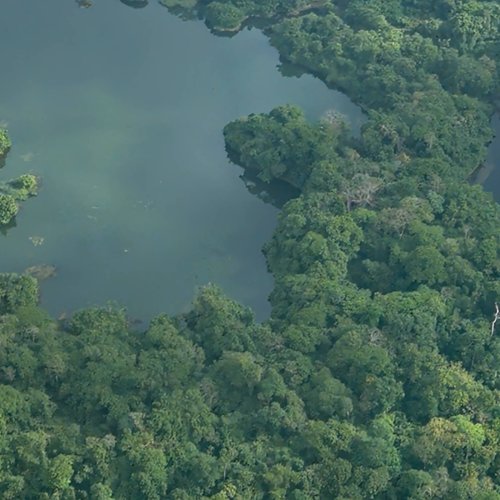
7 vegetation types were found on this unexplored limestone lens and the andesite/basalt flow that surfaces to the east. The huge emergent tree Intsia palembanica was new to the Philippines!
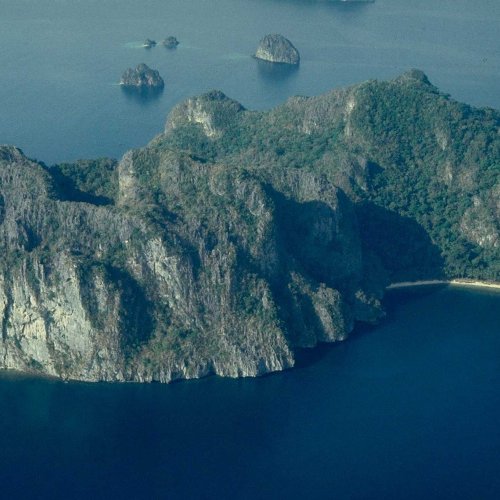
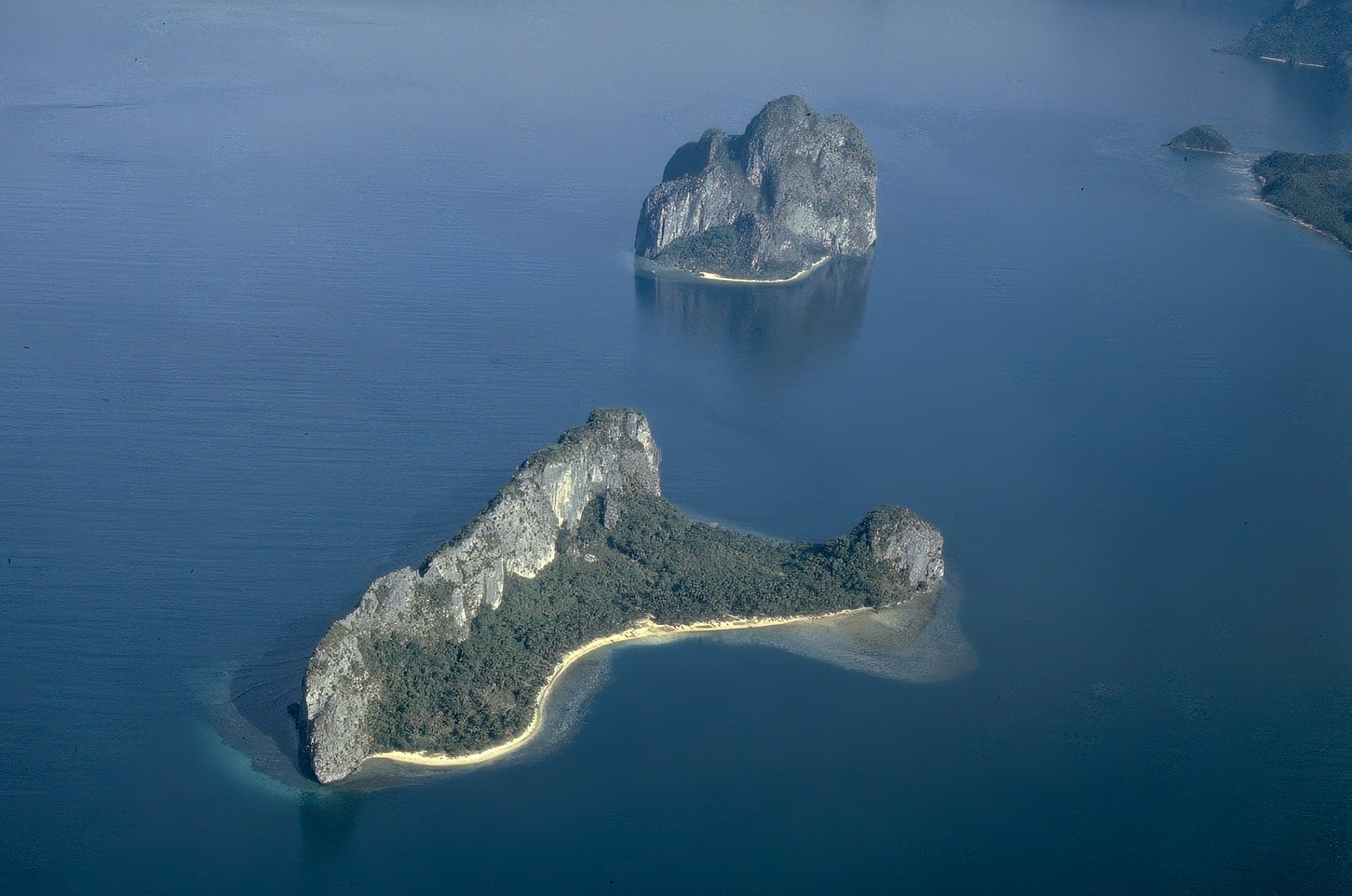
The sheer limestone cliffs of these karst limestone islands tower vertically from the sea to 300 m . Except in the bays, the terrain is rugged with pinnacles, crevasses, sinkholes, and was covered in algae. Surface water was absent. Home to Vietchia merrillii, a new species of Amorphophallus, A. salmoneus was described from the expedition material.
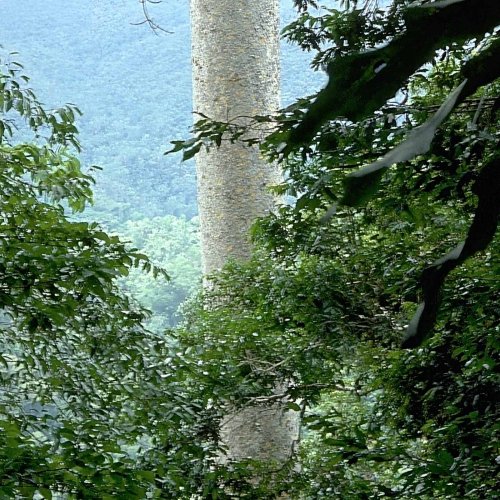
The ultrabasic, limestone, spilite and basalt areas on Mt. Mantalingajan all support different forest types. These also change with altitude. The endemic Nepenthes mantalingajanensis is only found on the peak. A new durian species was described from here and much more.
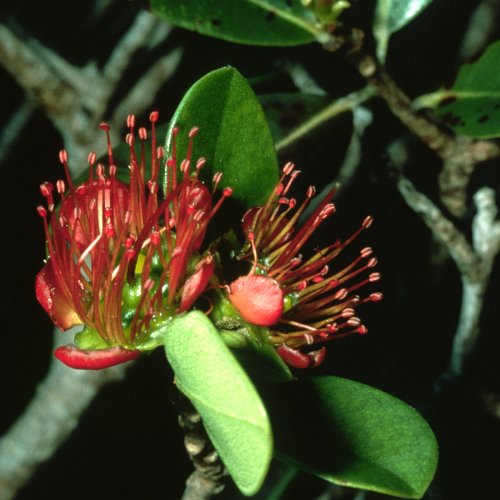
The Victoria Peaks area is the largest region of ultrabasic forest on Palawan. It is the home of the Palawan Racket-tailed Parrot and the tree Embolanthera, both found nowhere else in the world.
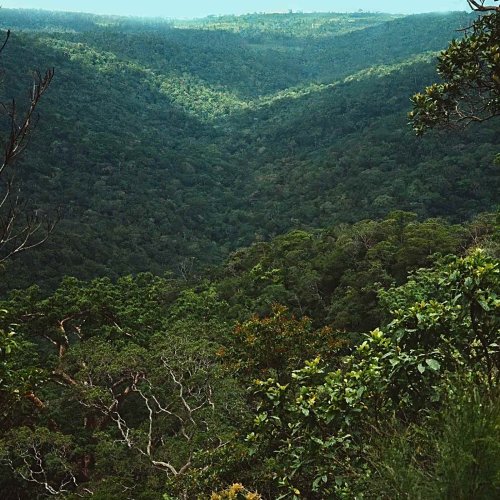
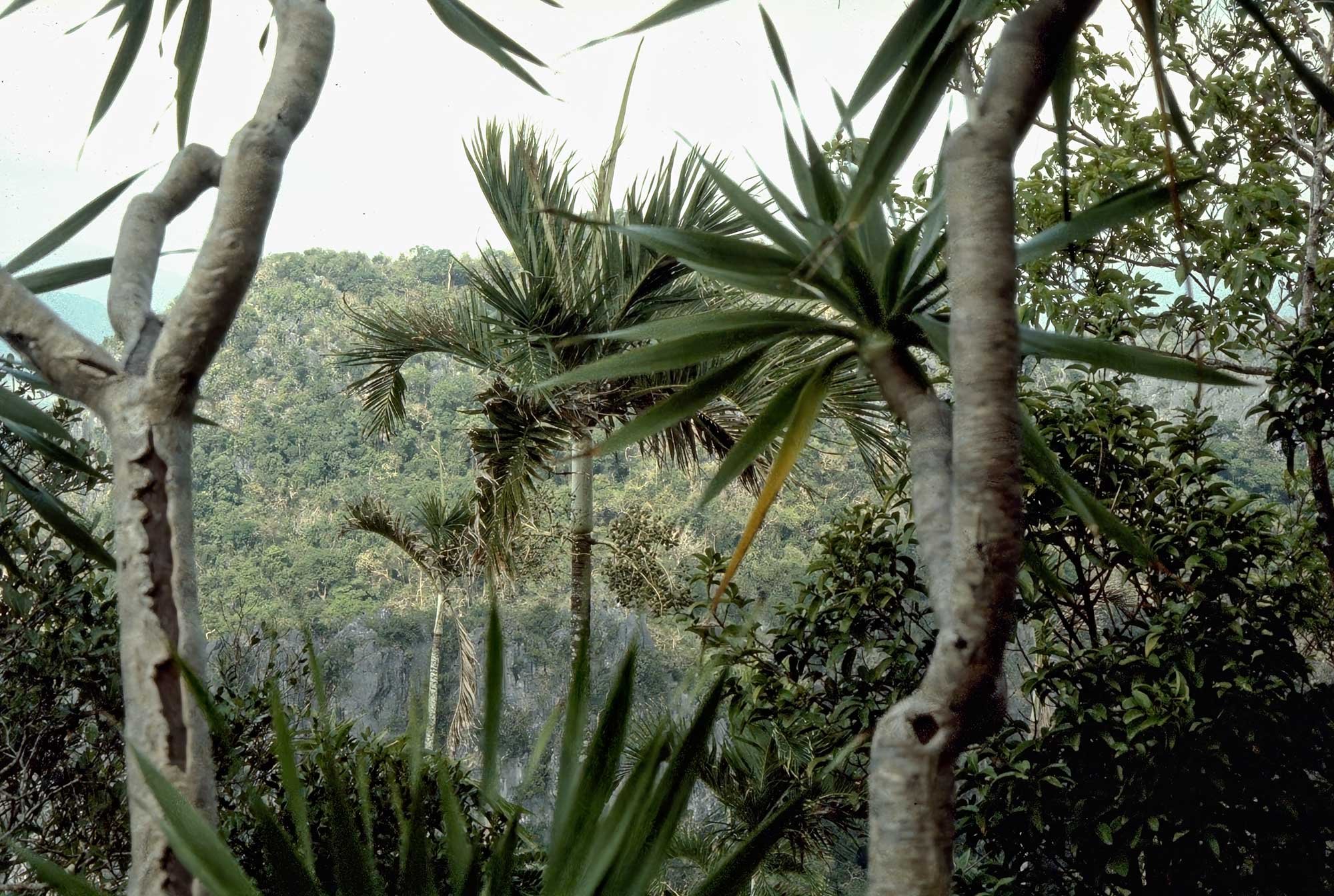
Canopy height was 7 m in the gap and c. 5m on the ridges. Epiphyte cover was very heavy.
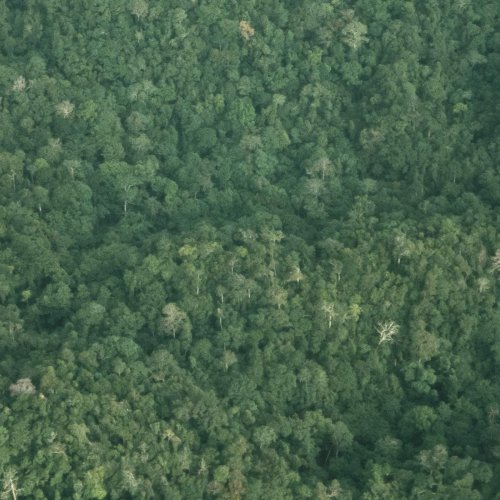
This was one of the most species rich forest types seen. Regrettably, the collection area no longer exists as a logging company has since felled the entire area.
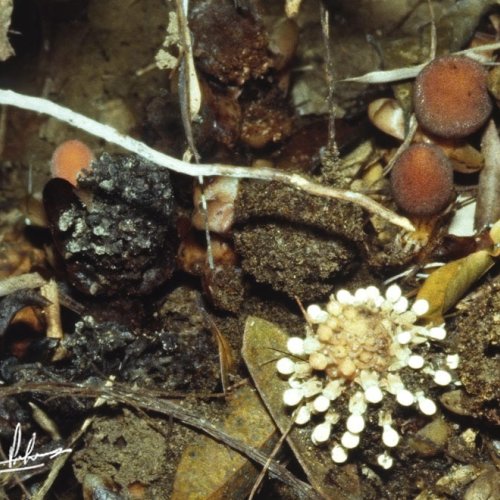
A dense pole forest on Mt. Beauforts' western face and an open forest dominated by large emergent Gymnostoma sp. on its crest.
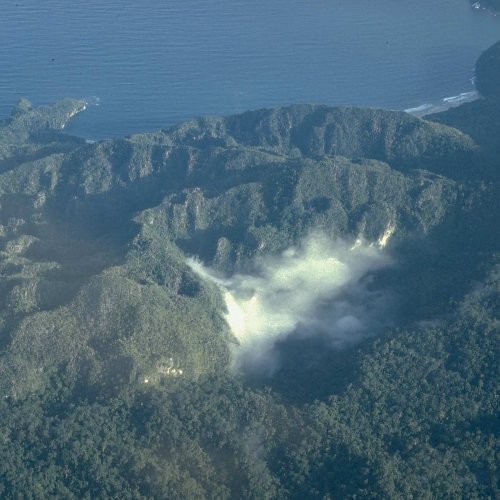
This is still a largely unexplored massive karst limestone area. Three forest types were investigated in the national park, and a fourth type seen on the aerial photographs.
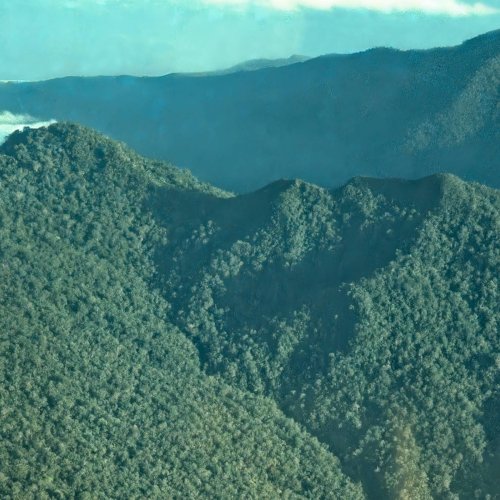
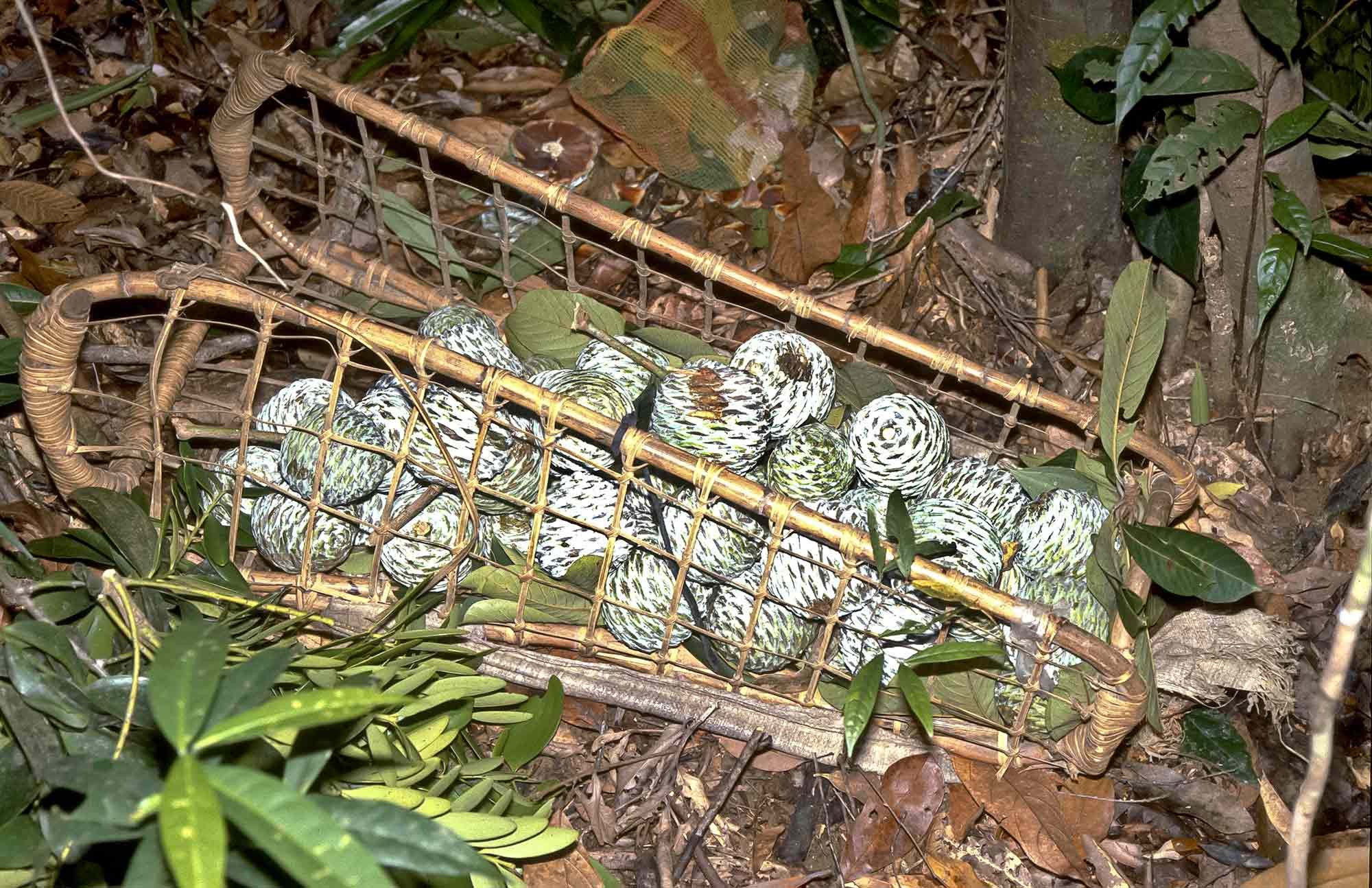
Occurring above 500 m on Mt. Beaufort, this forest type grew on 25 - 36 degree slopes with occasional patches of scree. Agathis populations were healthy, but at risk from careless resin extraction.